3

Navigating California’s Sewer Systems: A Comprehensive Guide for Homeowners

Navigating California's Sewer Systems: A Comprehensive Guide for Homeowners
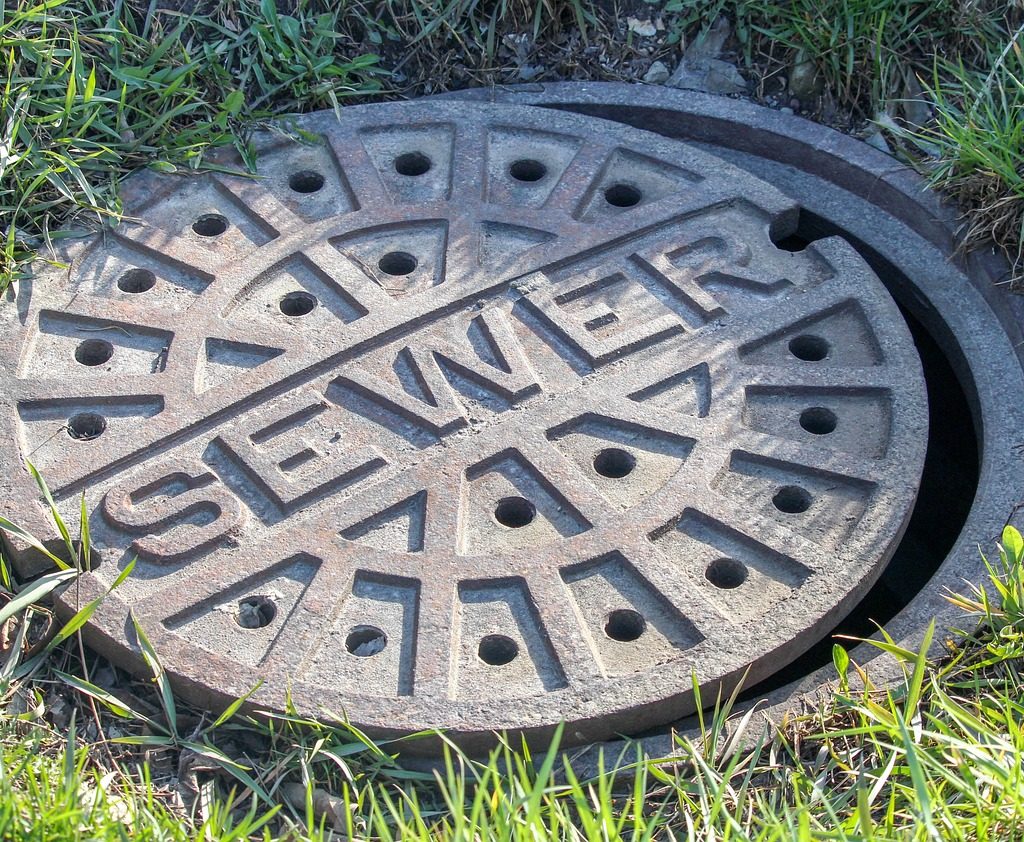
sewer, nature, grass

Sewer systems are a way of life in every California city and town. They operate silently and efficiently beneath our feet, accomplishing a vital yet unglamorous function. Understanding and maintaining your home’s sewer system and the systems that serve your community can be confusing, frustrating, and even intimidating for the homeowner. 

Sewer systems are very complex, and only some homeowners have, or will ever have, any reason to understand their construction and function under streets and homes across California. This brief article will not make you an expert, but it will give you a basic understanding of these systems’ function, function, and maintenance, along with some helpful tips on dealing with joint problems.

1. The Basics of California Sewer Systems

What’s the old joke? “My granddad told me that sewer systems separate us from the animals.” Yes, every great city has them, but how do they work? California’s incredibly diverse geography and climate have greatly influenced the design and function of sewer systems here. 

2. Homeowner Responsibilities

Do you have any responsibilities regarding your sewer system as a homeowner? Although simple in design, these systems require a lot of care, and how you use your system can either help keep it in service for a long time or force it into frequent and expensive repairs. 

Learn what to look for in a periodic inspection of your system, how small efforts to watch what and how you dispose of certain materials can be a big help, and how a shallow understanding of how your sewer system works almost always begins with the connection between your property’s sewer lateral and the sewer system’s main line out to the treatment facility. 

3. Common Issues and Troubleshooting 

It’s 2:30 in the morning. You’re awakened by the family dog barking maniacally on the back porch, or your two-year-old cries because the toilet didn’t flush. Up and out in the backyard, you quickly find the likely reason. You step into the ankle-deep water on the patio and listen. Water pressure makes that hissing sound beneath the soil around the foundation like you’ve heard twice before. 

And after much reading and an enormous water bill both times, you remember that hissing doesn’t stop on its own. It could be a broken pipe or a “leak” in your sewer line. In the trades, they call a blockage in your sewer line a “stoppage.” Here are some clues you can listen, look, and feel for. Keep an eye on them; you can often address many of your sewer line issues yourself.

4. Routine Maintenance Tips

The adage that an ounce of prevention is worth a pound of cure certainly rings true regarding sewer systems. You’ll discover practical tips for keeping your pipes clear, maintaining the flow, and avoiding costly repair bills by following a few maintenance suggestions. A little effort today can help extend the life of your sewer system, save you from a surprise nightmare down the road, and prevent any overflows from fouling your day.

5. Sewer Inspections and Repairs

The best time to discover a problem with a home’s sewer is before buying it. Professional sewer inspections are invaluable for new home buyers, and you’ll learn why it’s a mistake to assume the system is in good working order just because everything came out fine on an inspection report. 

Discover technologies like sewer cameras that make it possible to get a close-up, real-time view of anything that might be going on within the sewer lines and why the knowledge of a professional team is essential when interpreting those images. Plus, you’ll get a view of the available repair options when a problem is found and output you can use to make an informed decision.

6. Local Regulations and Compliance

In California, as in the rest of the country, there are regulations on the books that govern sewer systems — and for good reason. You’ll get to know the ordinances that govern sewer systems — from the property owner’s responsibility to restrictions on stormwater — the permitting process, and the regulations related to sewer systems designed to protect the environment and public health.

Finale

As a conscientious homeowner, it’s essential to be in the know when it comes to the sewer system of your California home. This guide will put you in the driver’s seat, ensuring it’s an efficient and healthy system while keeping your property, your environment, and your neighbors’ from being contaminated.

The breakdown of California’s sewer systems is something of a perfect catastrophe. However, much in the same way, the deterioration of a house can be mitigated through a structured schedule of upkeep – sewers are the same. By staying informed and following best practices, you can do your part in the longevity and functionality of your state’s sewer infrastructure and enjoy life’s most minor convenience with your community.

Have questions or need professional assistance with your sewer system? Contact us today for expert advice and reliable services tailored to California homeowners.

kkkkkkkkk

Demystifying Electricity Rates in California: A Comprehensive Guide to Saving on Your Energy Bills

Demystifying Electricity Rates in California: A Comprehensive Guide to Saving on Your Energy Bills

light bulb, electricity, light

Navigating your way through California’s complex electricity rates can be overwhelming, especially as the energy market continues to evolve.

This blog post aims to unravel the intricacies of electricity rates in the Golden State, providing a clear roadmap to saving on your energy bills and making the most of your energy usage.

Understanding California’s Electricity Rates

  • Tiered Rate Structure: California employs a tiered rate structure, wherein the cost of electricity increases as consumption rises. Understanding its tiers is critical to managing your energy expenses effectively.
  • Time-of-Use (TOU) Pricing: Time-of-use pricing is a strategy many utility providers in California have adopted, wherein electricity costs fluctuate by the time of day. You can adjust your energy consumption to minimize costs by knowing when peak and off-peak hours are.
  • Variable Rates and Market Fluctuations: Electricity rates can fluctuate due to various factors, including market conditions and other external influences. Paying attention to their ebb and flow can help you capitalize on periods of lower rates and adjust your energy consumption accordingly.

Strategies to Save on Your Energy Bills

  • Energy-Efficient Appliances: Investing in energy-efficient appliances and purchasing Energy Star®-qualified lighting can help lower your overall energy consumption. This, in turn, can help keep you in the lower-rate tiers most of the year.
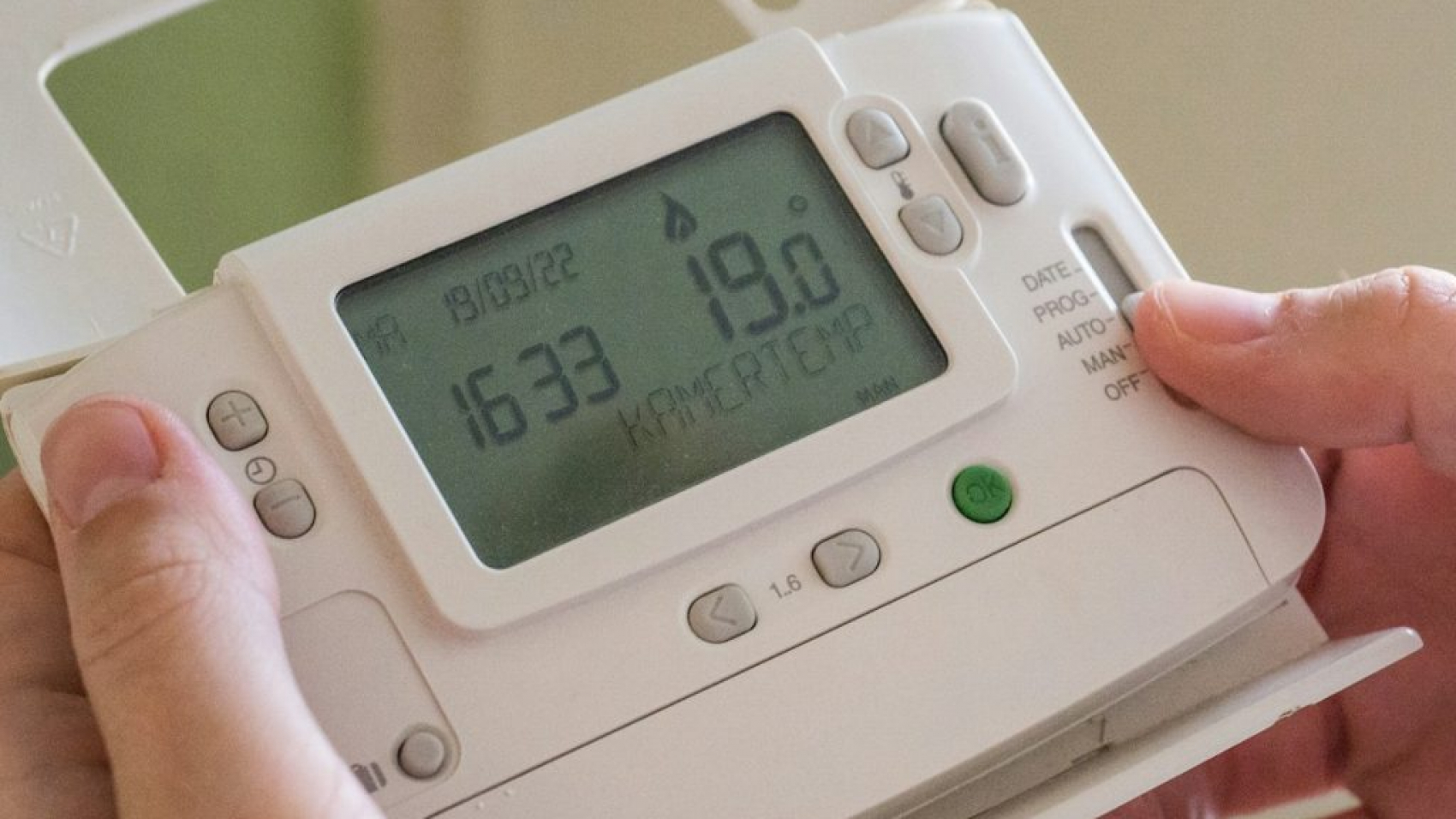
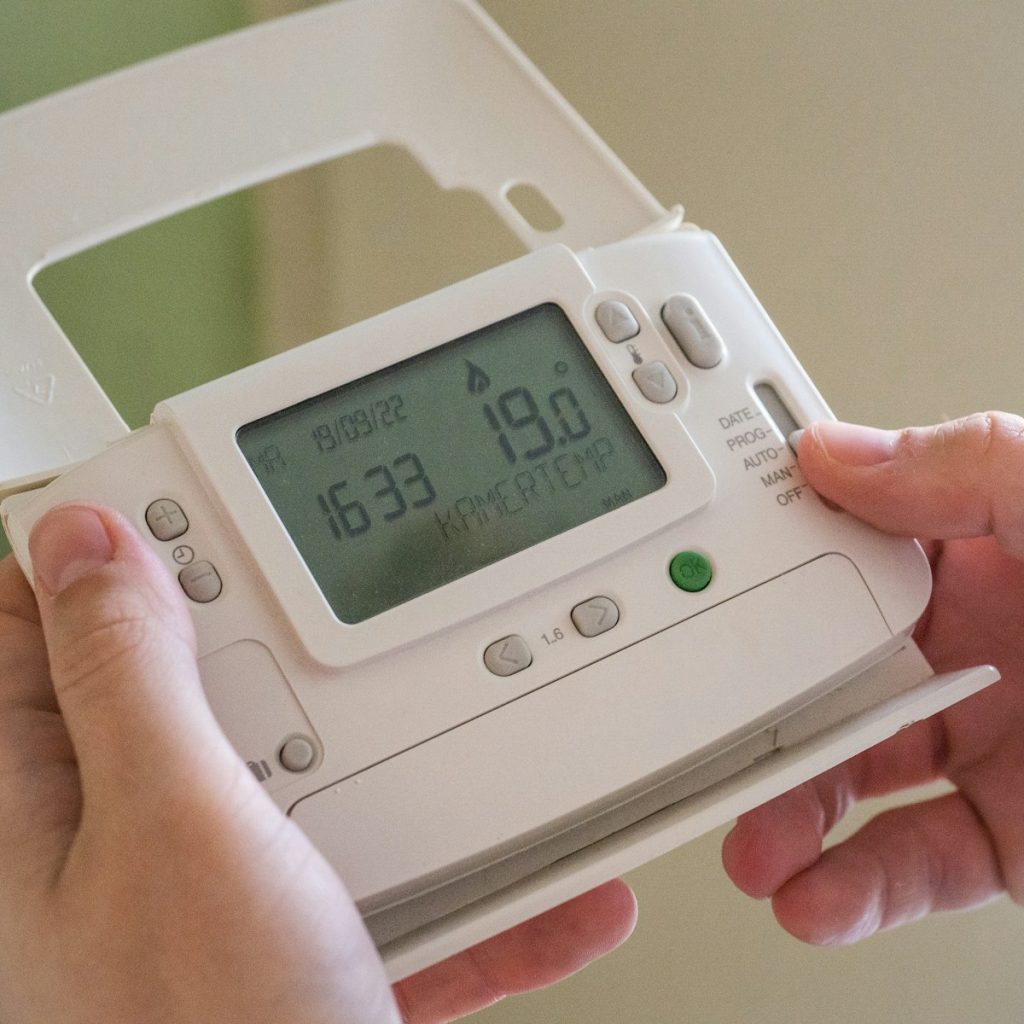
  • Smart Thermostats and Home Automation: Using smart thermostats and home automation systems lets you adjust your energy usage based on TOU pricing and during peak demand periods.
  • Solar Power Integration: Solar power helps you save over the long term because it lets you generate electricity, and you might even qualify for net metering programs.
  • Energy Conservation Practices: Simple changes like turning off lights, unplugging devices that aren’t in use, and properly insulating your home all add up to lower bills.Operator Assistance: Many utilities offer operator assistance where you can navigate their system and have your questions answered.

Navigating Utility Programs

  • Discount and Rebate Programs: Utilities offer ratepayers ways to save on discount and rebate programs that encourage energy-efficient upgrades, like installing solar panels or upgrading insulation.
  • Bill Assistance Programs: Bill assistance programs are available to qualifying households to provide financial relief and support during tough times.

Conclusion 

Once you understand California electricity rates, they’re demystified. You no longer have to be a victim of your utility’s Wintertime Surprise. You can stop using more than your A/C in the summer and save money. By understanding the tiered rate structure and using many of the strategies in this blog post, you can make intelligent decisions that will save you money on your California electricity bill.

So stay informed with Run on Sun, implement your energy-saving strategies, learn about all the available programs, and watch your electricity bills decrease. It’s not rocket science, but it is sophisticated.

Ready to start executing your saving plan? Contact us for advice.

13

Effortless Utility Payments: The One-Click Magic of Util360

Effortless Utility Payments: The One-Click Magic of Util360

Isometric image of online money transfer via mobile phones on light background

In today’s fast-paced digital age, convenience is key. From online shopping to instant messaging, we expect things to be quick, easy, and hassle-free. This expectation extends to our daily utility payments as well. 

Enter Util360, the game-changer in the realm of effortless utility payments. In this blog post, we’ll explore how Util360 works its one-click magic, making utility payments a breeze.

The Importance of Effortless Utility Payments

Gone are the days of standing in long queues or dealing with complicated payment processes. Util360 understands the value of your time and has streamlined the utility payment experience. With just a click, you can handle your electricity, water, gas, and other utility bills seamlessly. No more juggling between multiple platforms or stressing over missed due dates – Util360 has you covered.

The One-Click Magic

Util360’s secret sauce lies in its user-friendly interface and one-click functionality. Upon logging in, users are greeted with a dashboard that consolidates all their utility bills in one place. The platform intelligently analyzes your billing cycles, sending timely reminders so you never miss a due date again.

Util360 leverages cutting-edge technology to securely store your payment information, eliminating the need for repetitive data entry. With just one click, users can authorize payments for all their utility bills, saving time and effort. The system ensures bank-grade security, giving you peace of mind while enjoying the convenience of one-click payments.

Key Features of Util360

  • Consolidated Billing:

Util360 centralizes all your utility bills, providing a comprehensive overview in one easy-to-navigate dashboard. No more hunting through emails or paper statements.

  • Automated Reminders:

The platform sends timely reminders for upcoming due dates, ensuring you stay on top of your payments without the stress of manual tracking.

  • Secure Payment Vault:

Util360 employs robust security measures to protect your payment information. Your data is encrypted and stored in a secure vault, adhering to the highest industry standards.

  • Customizable Preferences:

Tailor Util360 to your preferences. Set up automated payments, choose notification preferences, and personalize your dashboard for a tailored user experience.

Conclusion

In the world of utility payments, Util360 stands out as a beacon of simplicity and efficiency. With its one-click magic, the platform has redefined the way we approach and handle our monthly bills. Say goodbye to the complexities of traditional payment methods and embrace the future of effortless utility payments with Util360.

Whether you’re a busy professional, a parent juggling multiple responsibilities, or simply someone who values their time, Util360 is designed to make your life easier. Experience the convenience of one-click utility payments today – try Util360 and transform the way you manage your monthly bills.

Let’s start with a trail of Util360 now and revolutionize your utility payment experience with effortless one-click payments!

12

Efficiency at Your Fingertips: Unveiling the Smart Meter Transformation

Efficiency at Your Fingertips: Unveiling the Smart Meter Transformation

a person holding a device

In an era where connectivity and efficiency reign supreme, the landscape of energy consumption is undergoing a revolutionary shift. The focus keyword for this article is “Smart Meter,” as we delve into the transformative power of these intelligent devices, bringing efficiency and control to consumers’ fingertips. 

Join us on a journey to explore how smart meters are reshaping the way we monitor and manage our energy usage.

The Rise of Smart Meters

Gone are the days of monthly utility bills arriving as a surprise. Smart meters, equipped with cutting-edge technology, have emerged as a game-changer in the energy sector. These devices provide real-time data on energy consumption, empowering consumers with the knowledge to make informed decisions about their usage patterns.

Real-Time Insights for Informed Decisions

One of the key advantages of smart meters is their ability to offer real-time insights into energy consumption. Unlike traditional meters that provide a monthly snapshot, smart meters transmit data at regular intervals, allowing consumers to monitor their usage patterns on a daily or even hourly basis. This newfound transparency enables individuals to identify energy-intensive activities and make adjustments to reduce their overall consumption.

Energy Efficiency and Cost Savings

Smart meters contribute to energy efficiency by fostering awareness and accountability. Armed with knowledge about when and how energy is consumed, users can implement energy-saving practices, ultimately leading to reduced utility costs. The ability to set consumption goals and track progress in real-time empowers consumers to take control of their energy bills.

Integration with Smart Home Systems

Smart meters seamlessly integrate with other smart home technologies, forming a cohesive ecosystem that enhances overall efficiency. They can communicate with smart thermostats, appliances, and lighting systems, allowing for automated adjustments based on usage patterns. This interconnected approach not only maximizes energy savings but also simplifies the management of a smart home.

Environmental Impact and Sustainability

Beyond personal benefits, the widespread adoption of smart meters contributes to broader environmental goals. By promoting energy efficiency and reducing overall consumption, these devices play a crucial role in sustainability efforts. Governments and utility providers worldwide are increasingly incentivizing the deployment of smart meters as part of their commitment to a greener future.

Privacy and Security Considerations

As with any technological advancement, privacy and security are paramount. Smart meters are designed with robust security features to protect the integrity of consumer data. Additionally, regulations and standards are in place to ensure that privacy concerns are addressed, giving users confidence in embracing this transformative technology.

Finale

The era of smart meters has ushered in a new age of efficiency and control in energy consumption. With real-time insights, cost savings, and environmental benefits, these devices are reshaping the way we interact with and manage our energy usage. Embrace the future of energy efficiency at your fingertips with smart meters – a powerful tool for a more sustainable and informed tomorrow.

Stay ahead in the energy revolution. Learn more about smart meters and their transformative impact. Subscribe for updates on the latest advancements in energy efficiency.

ivan-bandura-Ac97OqAWDvg-unsplash_11zon

From Flush to Finish: The Evolution of Wastewater Management

From Flush to Finish: The Evolution of Wastewater Management

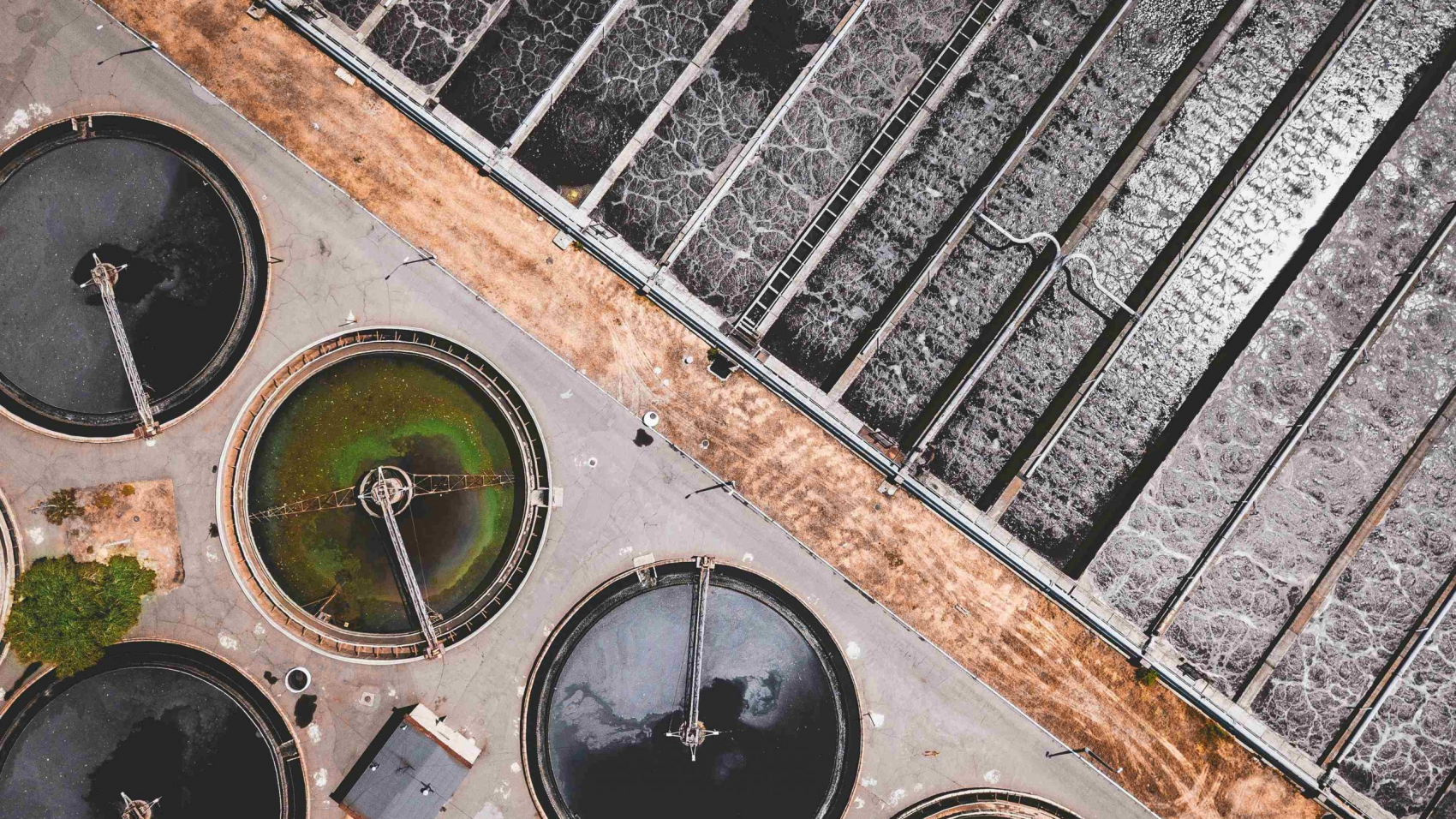
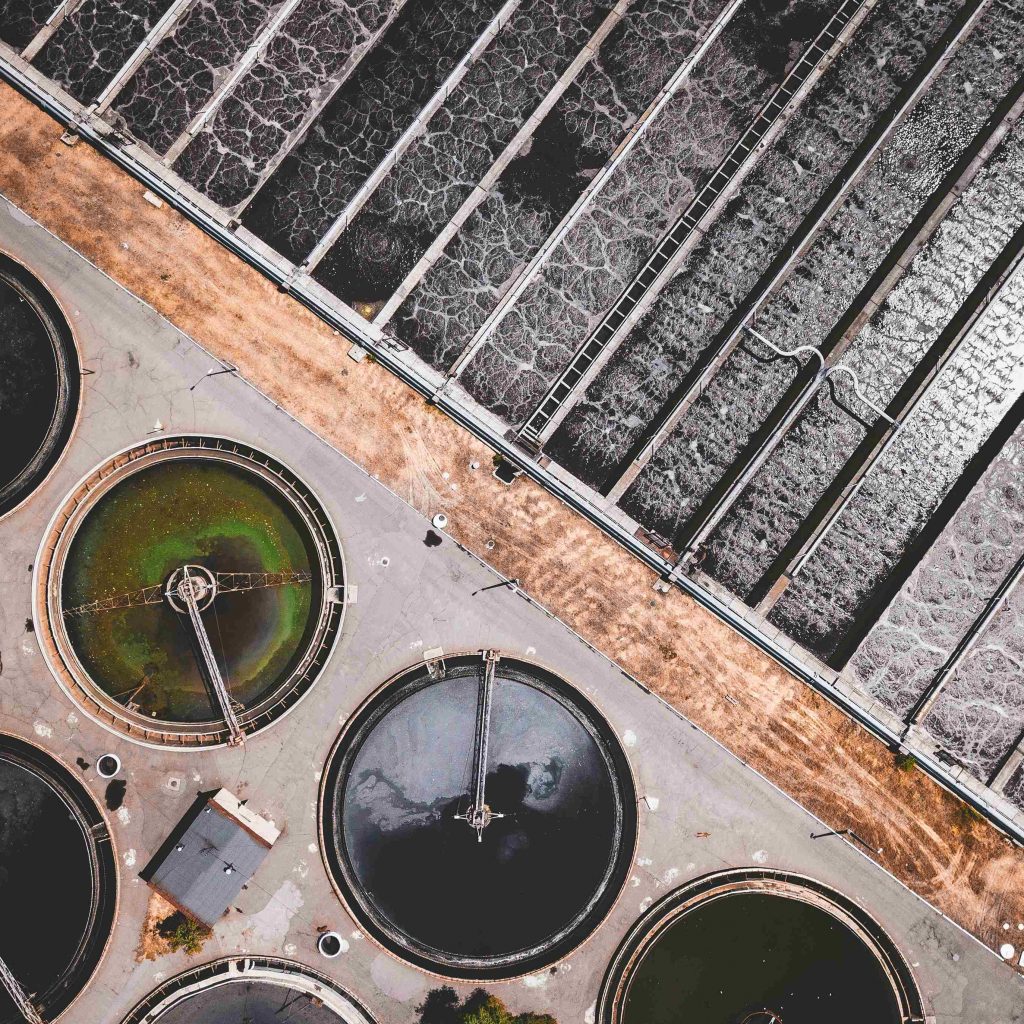
Wastewater management, once a hidden aspect of urban infrastructure, has undergone a remarkable transformation over the years. From the simple act of flushing to the intricate processes of treatment and recycling, the journey of wastewater has evolved significantly. 

In this blog post, we’ll delve into the fascinating history and advancements in wastewater management, highlighting the innovative approaches that have shaped its progress.

The Importance of Wastewater Management

As urban populations have grown, so too has the volume of wastewater generated. Proper wastewater management is not only crucial for public health but also for environmental sustainability. The focus keyword for this article is “Wastewater Management,” reflecting the central theme of the evolution and advancements in handling and treating wastewater.

Historical Perspectives

In the early days of urbanization, the disposal of wastewater was often as simple as dumping it into nearby rivers or oceans. However, as cities expanded and pollution concerns arose, the need for more sophisticated wastewater management became evident.

The Advent of Sewage Systems

The late 19th and early 20th centuries saw the implementation of sewage systems, diverting wastewater away from populated areas and mitigating the risks of waterborne diseases. These initial steps marked a significant improvement in public health but were only the beginning of a more comprehensive approach to wastewater management.

Treatment Plants and Biological Processes

The mid-20th century witnessed the rise of wastewater treatment plants, introducing biological processes to break down organic matter. This shift not only reduced the environmental impact of wastewater but also paved the way for the reclamation of treated water for non-potable purposes.

Advanced Treatment Technologies

In recent decades, advancements in technology have revolutionized wastewater treatment. Cutting-edge techniques such as membrane bioreactors, activated sludge processes, and ultraviolet disinfection have become integral in producing high-quality effluent. These innovations not only enhance the purification process but also contribute to resource recovery and energy efficiency.

Water Reuse and Resource Recovery

The evolution of wastewater management extends beyond treatment. Efforts are now focused on maximizing the potential of treated water. Water reuse initiatives, for both industrial and agricultural purposes, are gaining momentum, conserving precious freshwater resources and closing the loop on the wastewater journey.

The Role of Smart Technologies

Modern wastewater management is embracing smart technologies, from real-time monitoring systems to predictive analytics. These innovations enable proactive maintenance, optimize treatment processes, and enhance overall system efficiency.

Final Thoughts

The evolution of wastewater management from flush to finish reflects a commitment to environmental stewardship and sustainable urban development. As we continue to face challenges posed by population growth and climate change, the ongoing advancements in wastewater treatment and resource recovery are pivotal.

By understanding the historical context and embracing cutting-edge technologies, we can ensure a future where wastewater management is not only efficient but also contributes to a more sustainable and resilient world. Stay tuned as we explore the latest trends and innovations in wastewater management, paving the way for a cleaner and more resource-conscious future.

Discover the future of wastewater management. Stay informed on the latest trends and innovations. Subscribe for updates and join the journey towards a sustainable tomorrow.

14

How to Read Your Water Meter and Monitor Water Usage

How to Read Your Water Meter and Monitor Water Usage

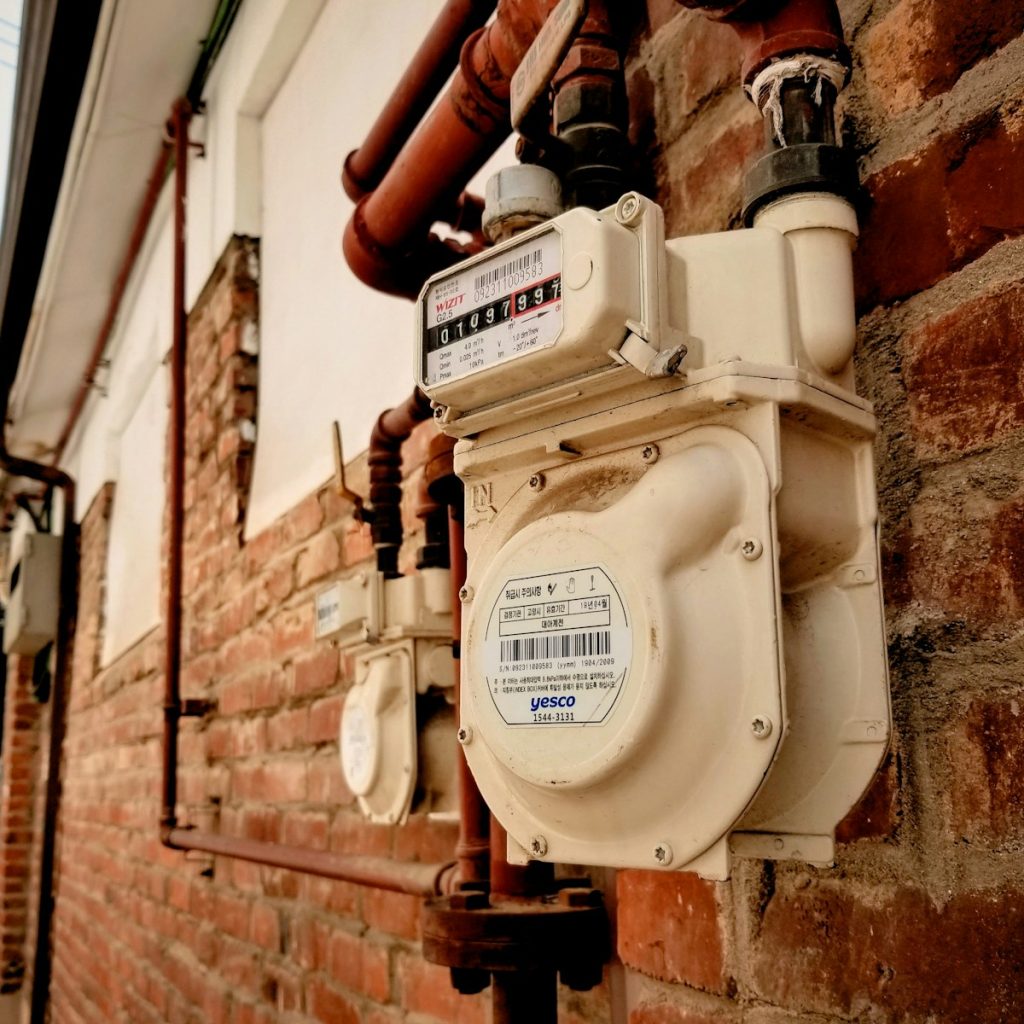
beige electric meter

In a world increasingly conscious of resource conservation, understanding and monitoring your water usage is a crucial step towards sustainable living. Your water meter is a valuable tool that, when used correctly, can provide insights into your consumption patterns. 

In this blog post, we’ll guide you through the process of reading your water meter and offer tips on how to monitor and manage your water usage effectively. 

Decoding Your Water Meter

Locate Your Water Meter:

Your water meter is typically located in a concrete box near the curb, in your front yard, or possibly in a utility room. It may be marked with a lid indicating “water.”

Understanding the Meter Dial:

Water meters have dials or digital displays that record water usage. The dials are similar to the hands of a clock, and each dial represents a digit in the meter reading. Familiarize yourself with the layout, which may vary between different meter models.

Reading the Meter:

To read your water meter, start from the left and note the number indicated by each dial. If the hand on a dial is directly over a number, use that number. If it’s between two numbers, take the lower one. Record the numbers from left to right, creating your meter reading.

Monitoring Water Usage

Regular Check-ups:

Make it a habit to check your water meter regularly. By comparing readings over time, you can identify patterns and detect any sudden spikes in usage, potentially indicating leaks or inefficiencies.

Record Consumption:

Keep a log of your water meter readings. This can be done manually or by using apps that help track your consumption. Note any changes in usage patterns and investigate the causes.

Identify Leaks:

A sudden increase in water usage could be a sign of leaks. Perform a simple leak check by turning off all water sources in your home and monitoring the meter. If it continues registering usage, you might have a leak requiring attention.

Set Usage Goals:

Establish water usage goals based on your household’s needs. Monitoring your consumption against these goals can encourage water-saving habits and help you identify areas for improvement.

Utilize Smart Technology:

Consider investing in smart water meters or home automation systems that provide real-time data and insights into your water usage. These technologies often come with mobile apps, making it convenient to monitor consumption from your smartphone.

Conclusion

Reading your water meter is a simple yet powerful way to take control of your water usage and contribute to conservation efforts. By understanding the readings and monitoring consumption patterns, you save on water bills and play a part in building a more sustainable future.

Make reading your water meter a regular practice, and empower yourself with the knowledge needed to make informed decisions about your water consumption. Join the movement towards water-conscious living and take the first step by learning how to read your water meter today.

Dive deeper into water conservation. Subscribe for tips, updates, and insights on managing your water usage efficiently.

15

Wastewater Management in California: Ensuring a Sustainable Future

Wastewater Management in California: Ensuring a Sustainable Future

Golden Gate Bridge during daytime

California, renowned for its innovation and commitment to environmental sustainability, faces unique challenges in wastewater management. This blog post will explore the state’s efforts to ensure a sustainable future through advanced wastewater management practices. 

We delve into the initiatives and technologies shaping the Golden State’s approach to handling and treating wastewater.

The Imperative of Sustainable Wastewater Management

As California grapples with a growing population and the impacts of climate change, the need for efficient and sustainable wastewater management has never been more critical. Proper treatment and disposal of wastewater are essential for safeguarding public health and protecting the state’s diverse ecosystems.

Advanced Treatment Technologies

California has been at the forefront of adopting advanced wastewater treatment technologies. These innovations, from membrane bioreactors to advanced oxidation processes, ensure that contaminants are effectively removed from wastewater, meeting stringent water quality standards.

Water Reuse and Reclamation

The concept of water reuse is gaining prominence in California’s wastewater management strategy. After rigorous purification processes, treated wastewater is being reclaimed for non-potable purposes like irrigation and industrial use. This approach conserves freshwater resources and minimizes the environmental impact of wastewater discharge.

Smart Infrastructure and Monitoring

Integrating smart technologies in wastewater management enhances efficiency and reduces environmental impact. Real-time monitoring systems allow for proactive identification of issues, optimizing treatment processes, and minimizing energy consumption. Smart infrastructure ensures that resources are utilized effectively in the pursuit of sustainability goals.

Policy Initiatives and Regulations

California’s commitment to sustainable wastewater management is reflected in its policies and regulations. The state has set ambitious targets for water reuse, encouraging municipalities and industries to adopt best practices. These regulations not only ensure compliance but also drive innovation in the field of wastewater treatment.

Community Engagement and Education

Creating awareness and engaging communities in the importance of wastewater management is a crucial aspect of sustainability. Education campaigns promote responsible water use, discourage improper disposal practices, and foster a sense of shared responsibility for the state’s water resources.

Conclusion

California’s journey toward sustainable wastewater management is a testament to its commitment to environmental stewardship. By leveraging advanced technologies, embracing water reuse, and enacting progressive policies, the state is forging a path toward a future where wastewater is not seen as waste but as a valuable resource.

As we navigate the challenges of the 21st century, California’s proactive approach to wastewater management inspires regions worldwide. Stay informed about the latest developments in California’s wastewater management practices and contribute to the conversation on building a sustainable and resilient future.

Explore the future of wastewater management. Subscribe for updates on California’s sustainable initiatives and be part of the movement towards a greener and more water-efficient tomorrow.